Seventeen kilometres of Maltese road, a 190-metre drop from the silent gates of Mdina to the fairy lights of Spinola Bay, and two completely different versions of me standing at that start line.
The first time I ran the Mdina to Spinola race, I finished at 6:02 per kilometre. Legs screaming from Hamrun onwards, survival-shuffling past the Ta' Xbiex marina, arriving at Spinola looking like I'd been personally victimised by the course. Finish time: 1:44:57.
The second time? 4:52 per kilometre. Finish time: 1:24:33. Same road. Same 7am start at the Mdina gate. Same December morning chill that fools you into thinking you won't sweat. Twenty minutes faster. A completely different race.
Allura — what changed?
The First M2S: Running on Stubbornness Alone
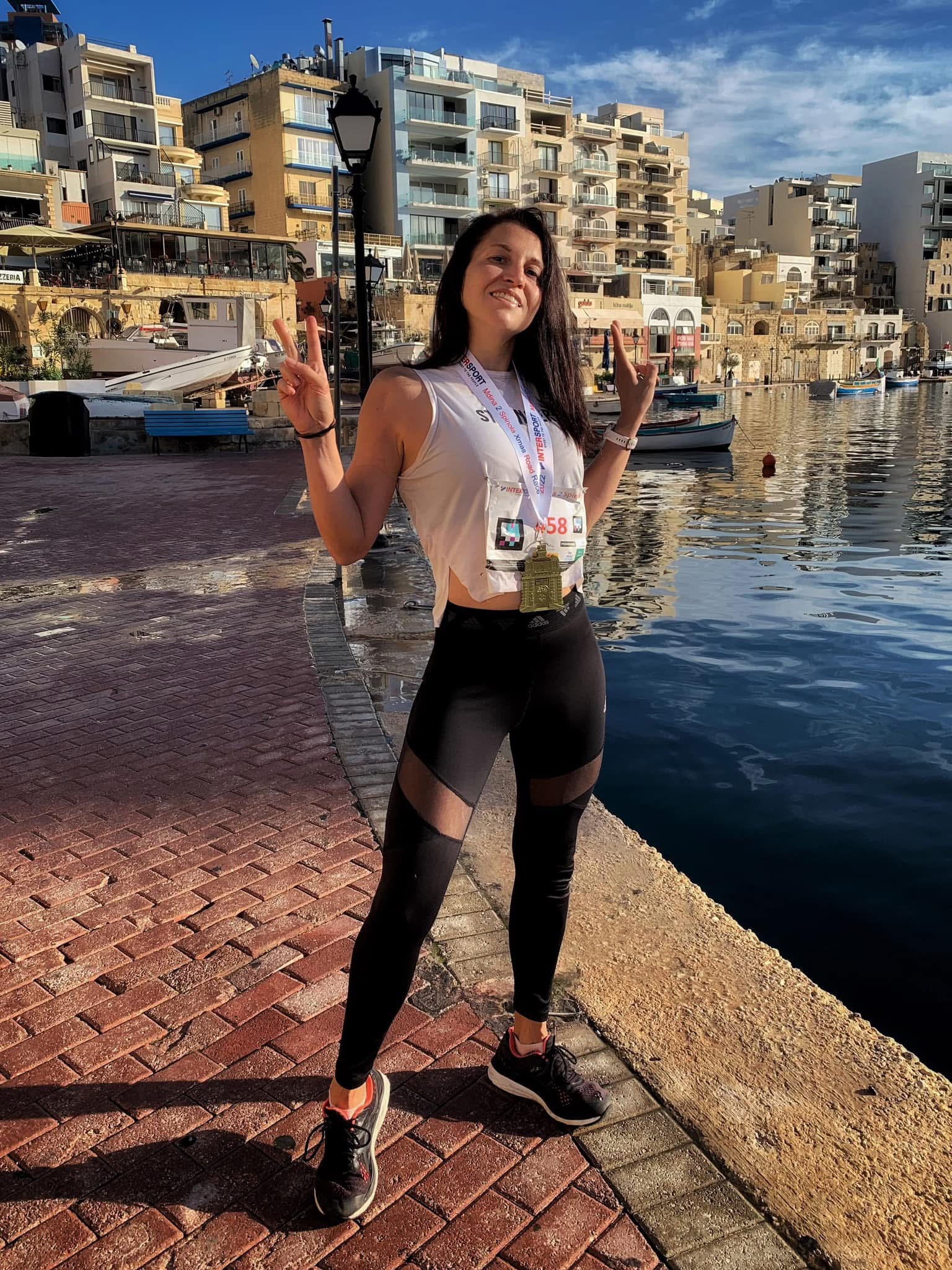
Let me be honest. When I signed up for my first Mdina to Spinola, I had no business running 17.4 kilometres. I'd been running for a few months, mostly short routes around Sliema, nothing structured. No real training plan. No pace strategy. Just vibes and the kind of confidence that comes from not knowing what you don't know.
The first few kilometres felt incredible. You start at Mdina — the Silent City, ancient walls behind you, and the road opens up downhill towards Attard. The early morning light is ridiculous, that golden Mediterranean glow that makes everything look cinematic. I was flying. Or at least, I thought I was.
By kilometre 8, somewhere around Blata l-Bajda, reality hit. My legs went from "this is fun" to "why are we doing this" in about 400 metres. The problem with a mostly downhill course is that nobody warns you how much the constant descent destroys your quads. Every step down is a tiny eccentric contraction that compounds over 17 kilometres.
The stretch through Pieta and Msida was pure survival. I remember watching the harbour to my right, boats bobbing like they had nowhere to be, while I was bargaining with my own body to keep moving. The last 3 kilometres along the Sliema waterfront felt longer than the first 10.
I crossed the finish line at Spinola Bay in 1:44:57, grabbed the Powerade, and sat on the nearest bench for twenty minutes. Proud? Sure. But mostly just relieved it was over.
What I Actually Changed
Here's the thing about progress that nobody puts on a motivational poster: it's boring. There's no single moment where everything clicks. It's just hundreds of small, unglamorous decisions stacked on top of each other.
Between my first and second M2S, here's what I did differently:
I actually trained for the distance. Sounds obvious, right? But the first time around, my longest run before race day was maybe 10 kilometres. The second time, I'd been running 15-18km long runs consistently. Race day wasn't a leap into the unknown — it was a Tuesday.
I learned to pace myself. First race, I went out way too fast on that Mdina downhill. Second race, I held back in the first 5 kilometres even though it felt painfully slow. That restraint at the start meant I still had legs for the Sliema stretch.
I stopped ignoring strength work. Those quad-killing downhills? Turns out, if you actually do some lunges and squats during the week, your legs don't fall apart at kilometre 12. Who knew. (Everyone knew. I just wasn't listening.)
I ran the route in training. Not the whole thing every time, but sections of it. I knew where the sneaky uphill bits were. I knew where the pavement got rough. No surprises on race day.
The Second M2S: Running With Intention
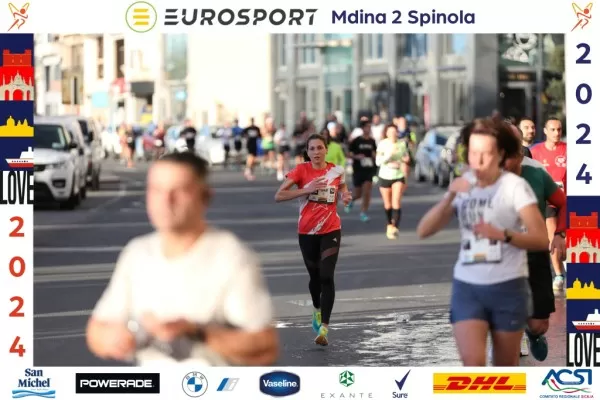
December again. Same Mdina gate. Same nervous energy. But this time, I had a plan: go out at 5:00/km, settle in, and see what the last 5 kilometres had to say.
The Attard stretch felt controlled instead of chaotic. I passed people who'd gone out too fast — I recognised that look on their faces because I'd worn it the year before. Through Hamrun, I found my rhythm. The kind of rhythm where your breathing, your feet, and the road all sync up and you stop thinking about running and just... run.
The marina at Ta' Xbiex was where it hit me. Last year, this is where I started falling apart. This year, I was picking up the pace. Not because I was pushing — because I could.
The Sliema waterfront felt like a victory lap. Tower Road, the promenade, the sea on my right — the same stretch that had broken me twelve months earlier was now my favourite part of the course. I crossed the line at Spinola Bay in 1:24:33 and the first thing I felt wasn't relief.
It was hunger. For the next one.
What 20 Minutes Really Means
Twenty minutes faster over 17 kilometres doesn't sound life-changing. It's not going to get me on any podiums. But those twenty minutes represent something the watch can't measure — the difference between surviving a race and owning it.
My knee had other plans — if you've read about my knee situation, you know the path here wasn't linear. There were weeks I couldn't run at all. Weeks where 5 kilometres at 6:30/km was all I had.
Progress isn't a straight line. It's a messy, stubborn zigzag that only looks like improvement when you zoom out far enough.
The Mdina to Spinola race happens every December. It's one of Malta's most iconic races — over 1,400 finishers in 2025, from elite runners to first-timers. The course is fast, the atmosphere is electric, and finishing at Spinola Bay with the Christmas lights overhead is genuinely special.
If you're in Malta and thinking about signing up — dai. Do it. You don't need to be fast. You just need to start.
And if you've already run it once? Run it again. You might surprise yourself.
Have you ever re-run a race and shocked yourself with the improvement? Tell me about it — I want to hear your story.