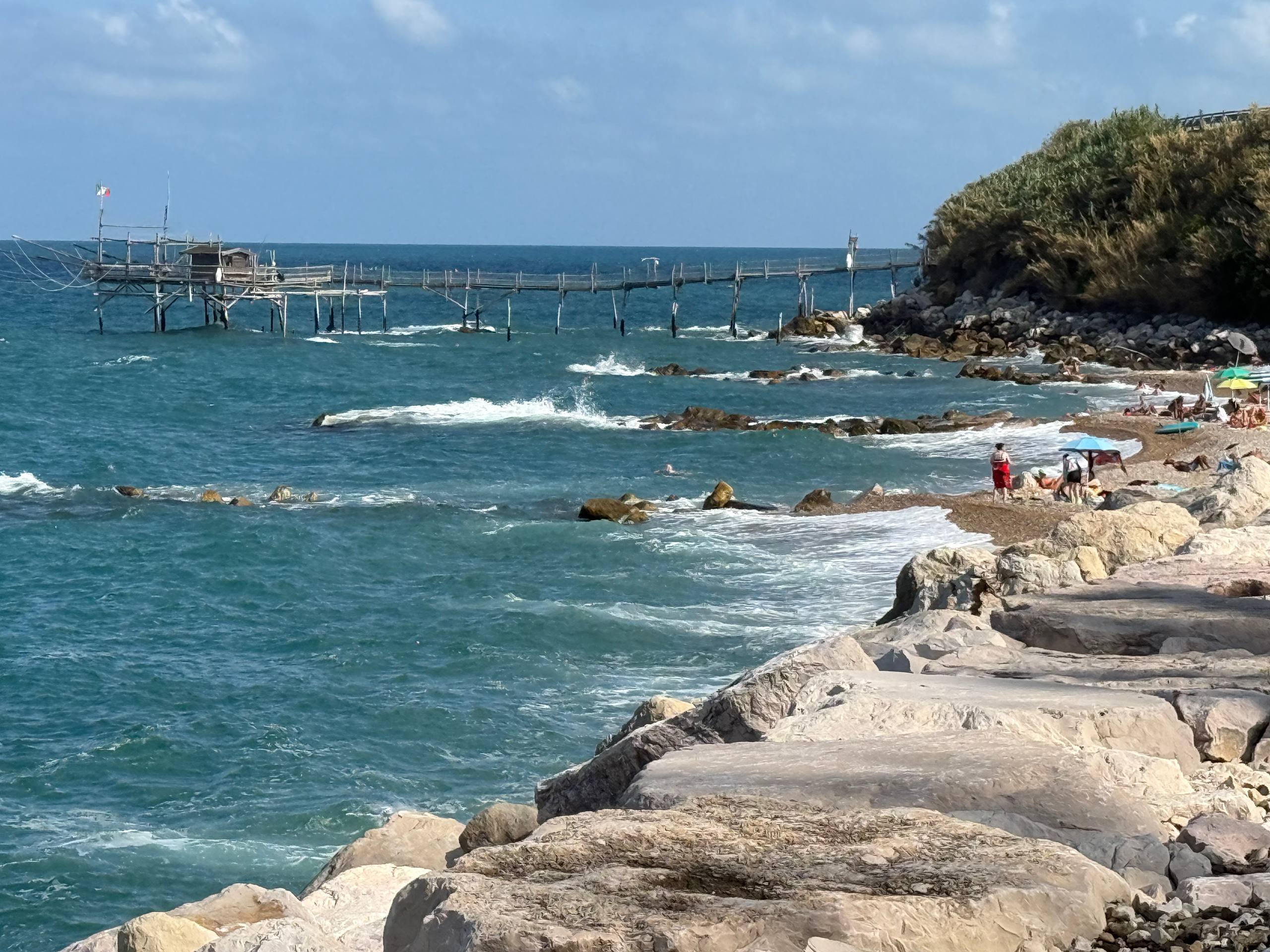
 The Trabocchi Coast. Ancient fishing machines, turquoise water, zero crowds. This is not the Italy you know.
If the mountains of Abruzzo are all wild silence and medieval stone, the Adriatic coast is their loud, sun-baked opposite. The Costa dei Trabocchi stretches 40 kilometres from Ortona to Vasto — named after the trabocchi, ancient wooden fishing platforms built on stilts over the sea, with long wooden arms reaching outward like the skeleton of something beautiful.
I came here after five days in the mountain interior and the contrast hit like a cold swim. This is where Abruzzo exhales.
The Trabocchi: Fishing Machines Turned Restaurants
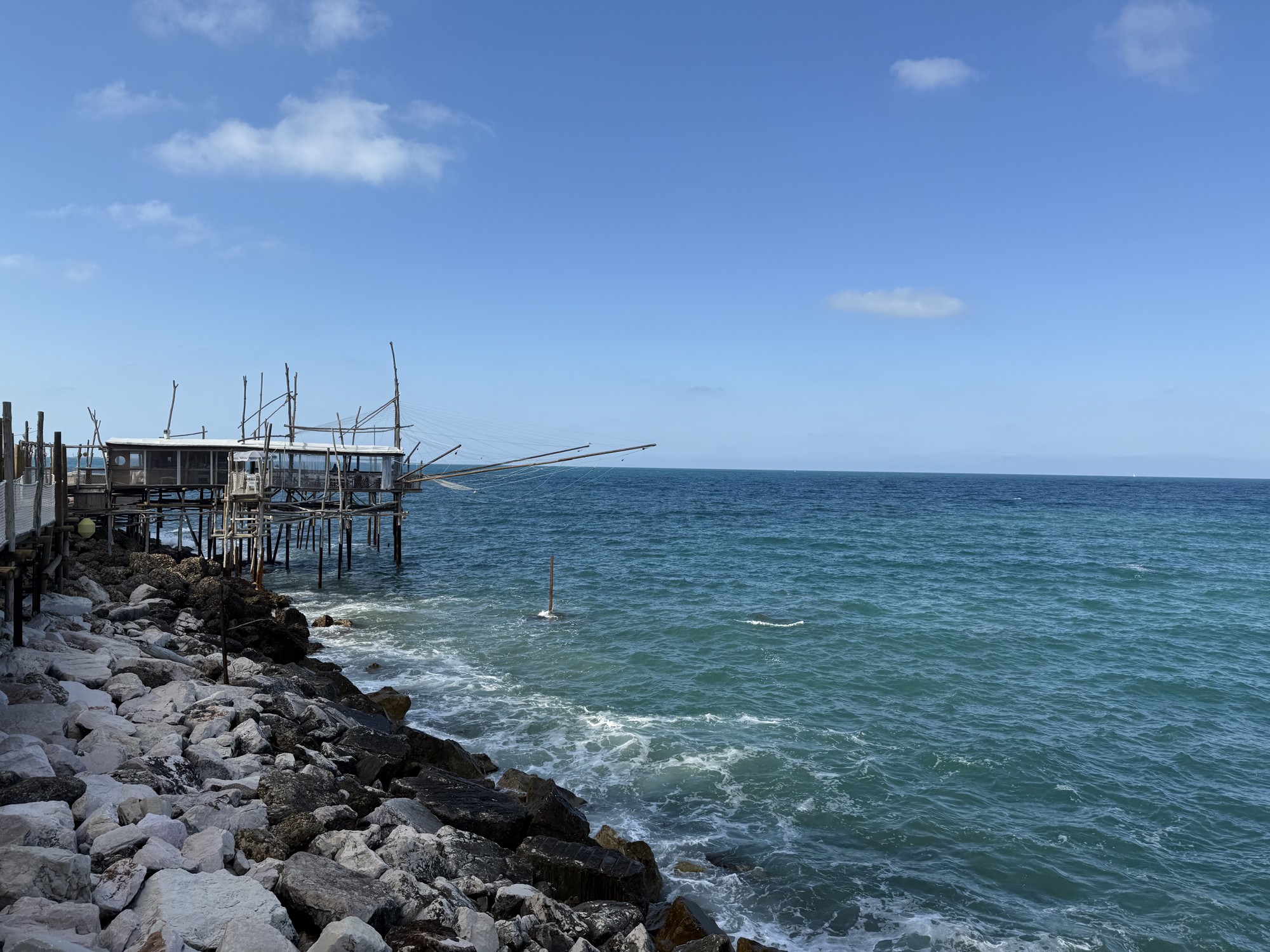 Up close, they're engineering marvels held together by wood, wire, and stubbornness.
The trabocchi were built by fishermen who couldn't afford boats. The logic was brutal and clever: why risk the sea when you can build a platform over it and let the sea come to you? The wooden arms hold massive fishing nets that are lowered into the water, then cranked back up with whatever the current brings. Some of these structures are centuries old, patched and rebuilt so many times that no original plank remains — a fishing Ship of Theseus.
Today, many have been converted into restaurants. Eating fresh seafood on a creaking wooden platform suspended above the Adriatic, waves crashing underneath, salt on your lips, nothing between you and the horizon — that ruins regular restaurants forever. Book ahead for the popular ones: Trabocco Punta Tufano and Trabocco Pesce Palombo are both excellent.
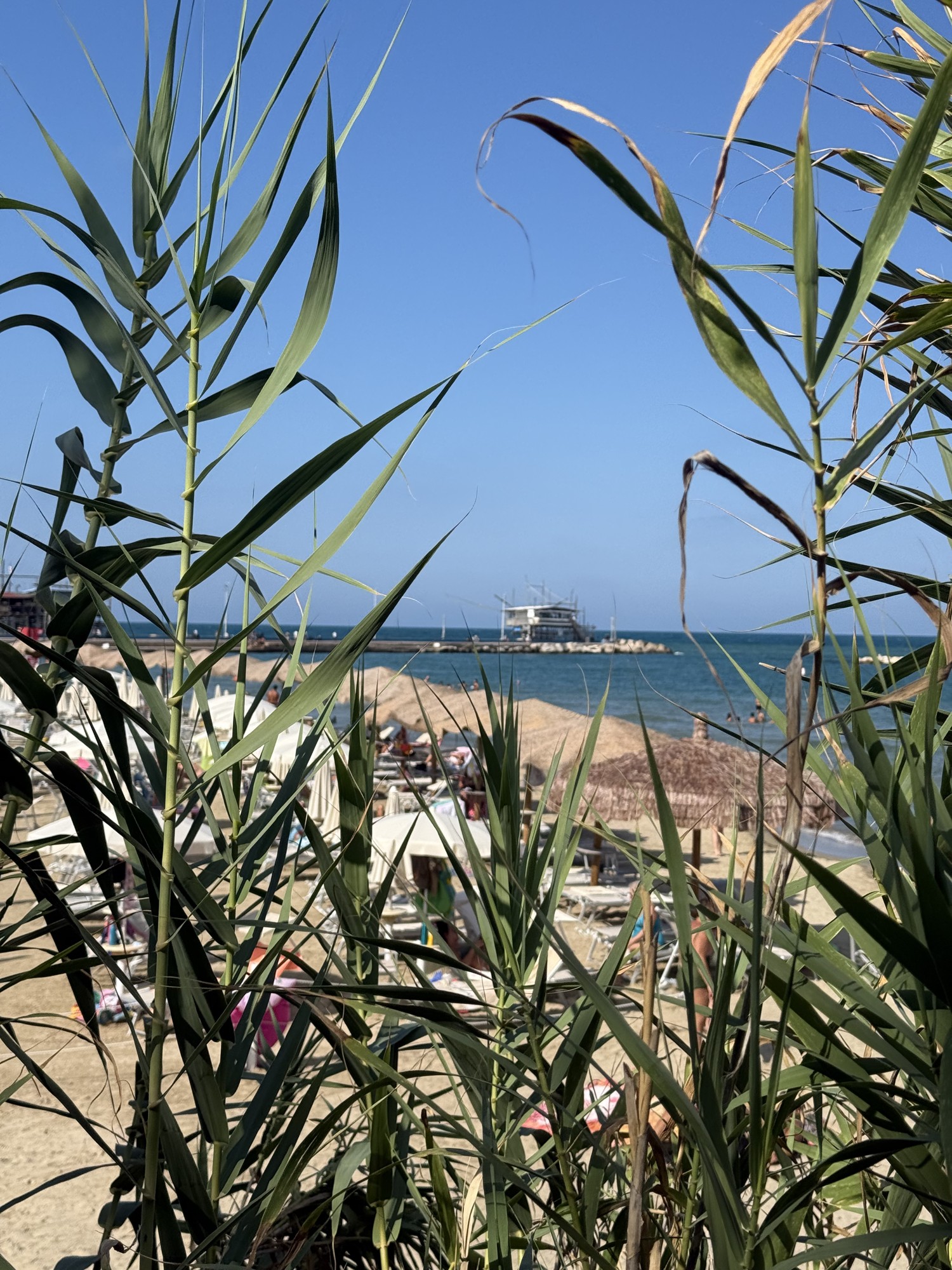 Trabocchi through the reeds. Some are centuries old and still fishing.
Cycle the coast: The old railway line has been converted into a flat bike path along the entire 40km stretch. It connects several trabocchi and beaches — rent bikes in Ortona or San Vito Chietino and ride south. It's flat, scenic, and the opposite of everything you just did in the mountains.
Roccascalegna: The Cursed Castle
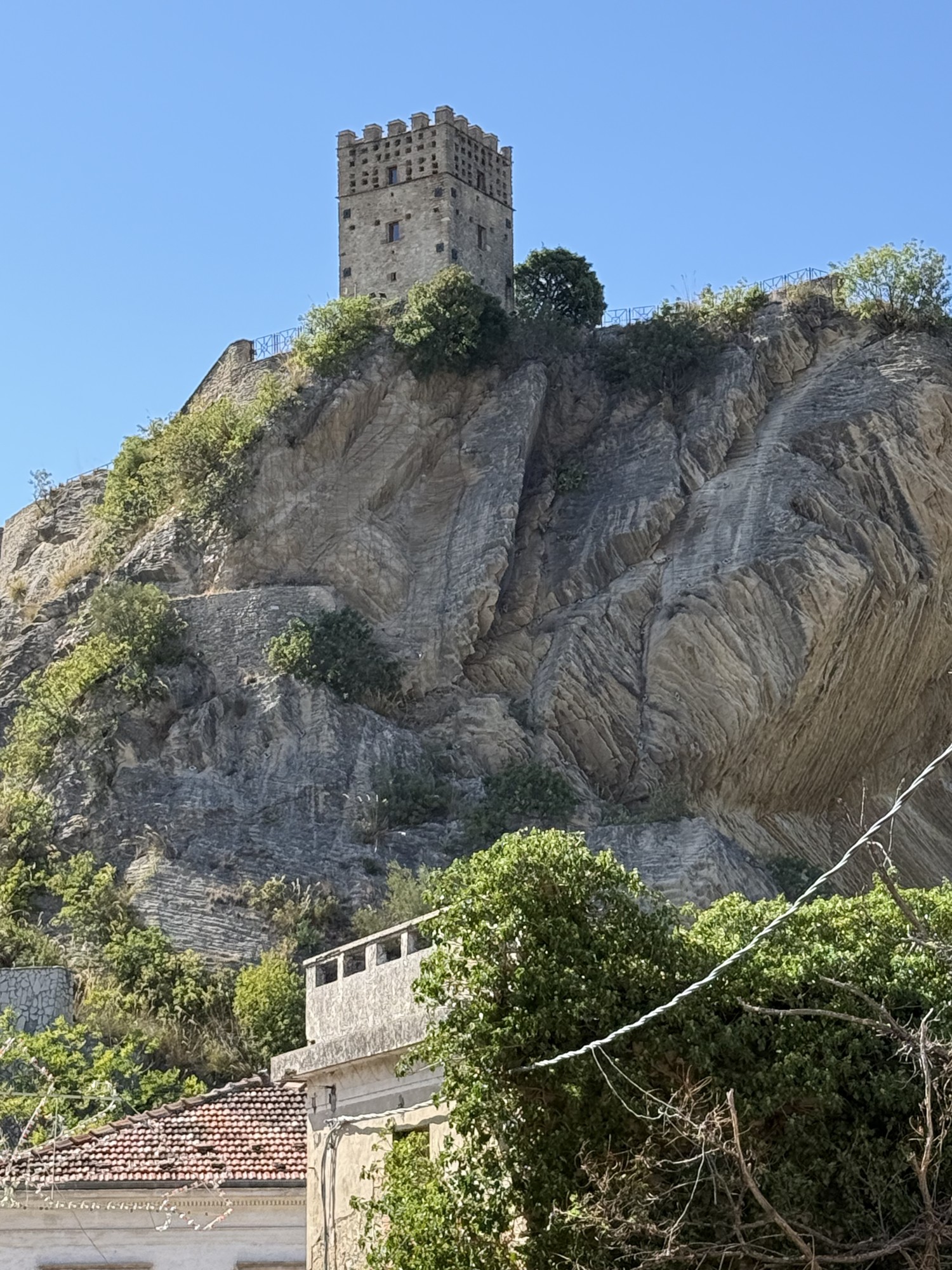 If Rocca Calascio inspires awe, Roccascalegna gives you chills.
Thirty minutes inland from the coast, the village of Roccascalegna sits in a valley with its castle clinging to a sheer rock face above — a 12th-century tower that looks like it was dropped there by something that wanted it found but never reached. The rock beneath it is layered and striated, ancient in a way that makes the castle look young by comparison.
The legend (and it's a dark one): In 1646, the Baron Corvo de Corvis reinstated ius primae noctis — the so-called "right" to spend the first night with every new bride in the village. He forced his subjects to kneel before a caged raven at the castle door. Anyone who refused was arrested or killed.
The story goes that a bride — or her husband, disguised in her dress — stabbed the baron to death in the bedchamber. His blood stained the castle walls, and locals say the mark could never be washed away. On stormy nights, they still hear ravens circling the tower.
Whether it's true or embellished by four centuries of retelling, standing in that castle with the wind howling through the ruins... you believe it.
The climb to the castle is short but steep. No shade. Bring water and proper shoes — the stone is slippery.
Sulmona: Confetti Capital of the World
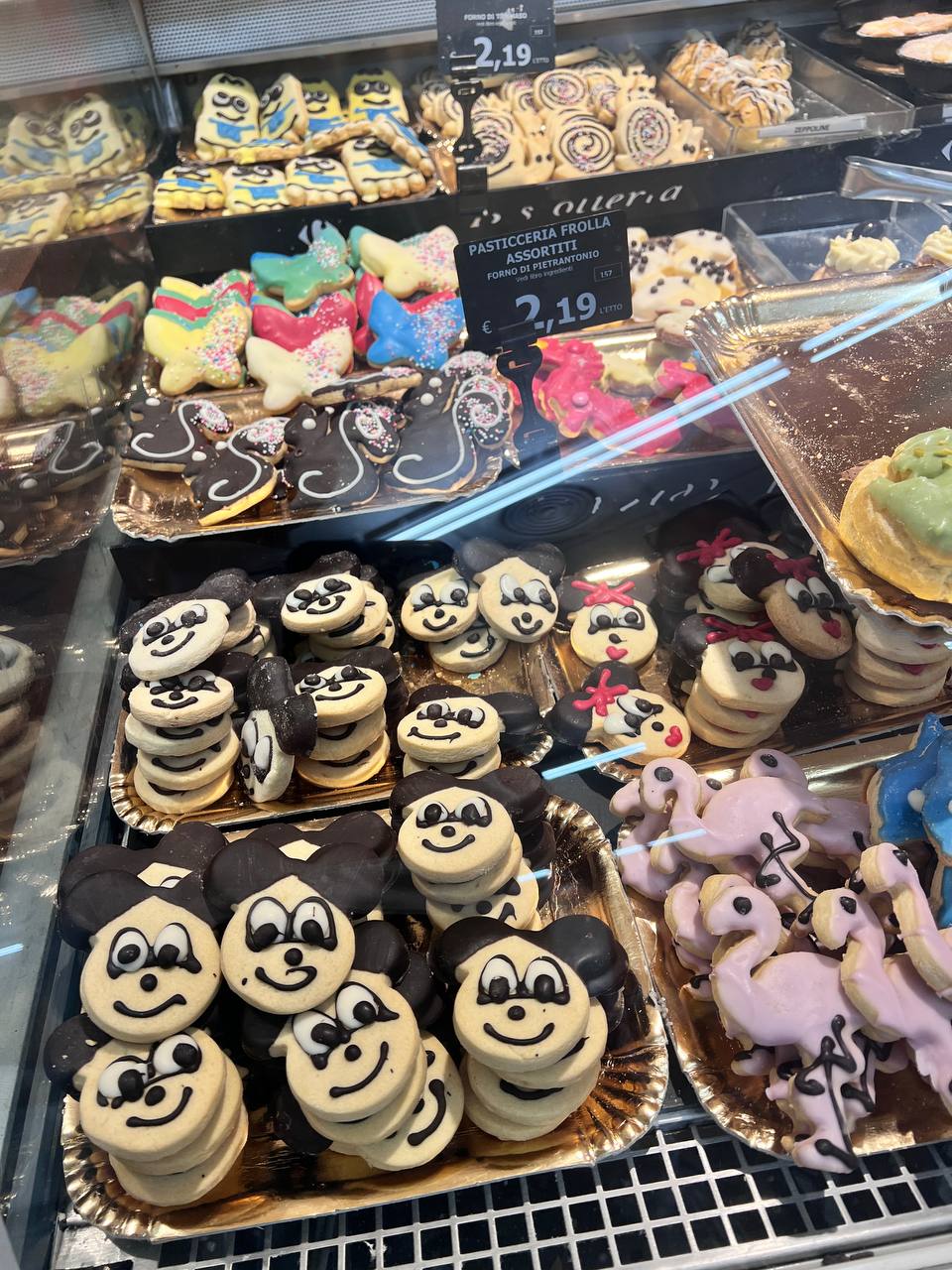 Sulmona confetti. Not the paper kind — the candy kind. And it's been made here since the 15th century.
Before you leave Abruzzo, stop in Sulmona. Not just because it's the birthplace of the poet Ovid (it is) or because the medieval piazza is gorgeous (it is) — but because Sulmona is the world capital of confetti. And no, not the paper kind.
Italian confetti are sugar-coated almonds, and Sulmona has been making them since the 1400s. The shops along the Corso Ovidio are absurd — confetti twisted into flowers, bouquets, animals, elaborate sculptures. It's kitsch and it's beautiful and you will buy more than you intended.
The folklore: Confetti are central to Italian celebrations — five confetti given at a wedding represent health, wealth, happiness, fertility, and longevity. In Sulmona, the craft has been elevated to an art form. Some families have been making them for generations, and the techniques are closely guarded.
Putting It Together
If you're doing the full Abruzzo mountain route, add 1–2 days for the coast. The ideal flow:
Day 1: Drive from Sulmona or the mountains to Roccascalegna (morning visit, it's best in harsh light). Then continue to the coast.
Day 2: Cycle the Trabocchi Coast bike path. Lunch at a trabocco restaurant. Swim. Repeat.
Getting there: Pescara has the nearest airport with budget flights. Sulmona is the best inland base. The coast is accessible from anywhere in central Abruzzo within 60–90 minutes.
Best time: June or September. July and August are busy on the coast (by Abruzzo standards — still nothing compared to the Amalfi).
The coast side of Abruzzo doesn't get the drama of the mountains, but it has something else — a rhythm. Pedal, eat, swim, repeat. And then a cursed castle to keep things interesting.
This is part of my Abruzzo series. For the full mountain adventure route, read Wild Abruzzo: The Adventure Route Nobody Talks About.